New Plymouth’s Coastal Walkway: A platform for connecting people, places and spaces.
At The Cream Co, we're fascinated by the role design plays in shaping how people experience spaces, places, businesses, and communities. Whether it's a public space, a hospitality venue, or a growing brand, the most memorable experiences are rarely accidental. They're the result of thoughtful decisions that consider not just how something looks, but how it feels to be part of.
This creation of local spaces and experiences is something we've been noticing more and more around Taranaki and the Ngāmotu New Plymouth City Centre Strategy created by the NPDC alongside Ngāti Te Whiti and Te Atiawa, provides an encouraging and exciting insight into the vision and ambition of the region.
From new venues and refurbished buildings to better public spaces, thoughtful fit-outs, and experiences that feel considered from start to finish, it’s becoming more obvious that people are putting real care into the places they create.
But it's not so much about the spaces themselves, it’s what this development signals. They show that people are choosing to invest here, improve what's already here, and create places worth spending time in. Really great spaces designed with the community in mind, bring people together, support local businesses and make a place feel more vibrant and connected.
These are the kinds of investments that shape how we experience a region day-to-day. Over time, they also help shape how others see it, how people feel about living here, and ultimately where the region is heading.
____
Let’s take a look at the Coastal Walkway, one of Taranaki’s more well known examples. Because of it’s potential to further connect the city and create many additional satellite projects, it presents an exciting range of opportunities.
New Plymouth's Coastal Walkway is much more than a place to walk, run, or ride, it's become part of how people experience Taranaki every day. Connecting neighbourhoods, encouraging activity, supporting tourism, and linking people to the coastline, it has helped shape a distinct identity for the city. One that locals genuinely use, value, and take pride in.
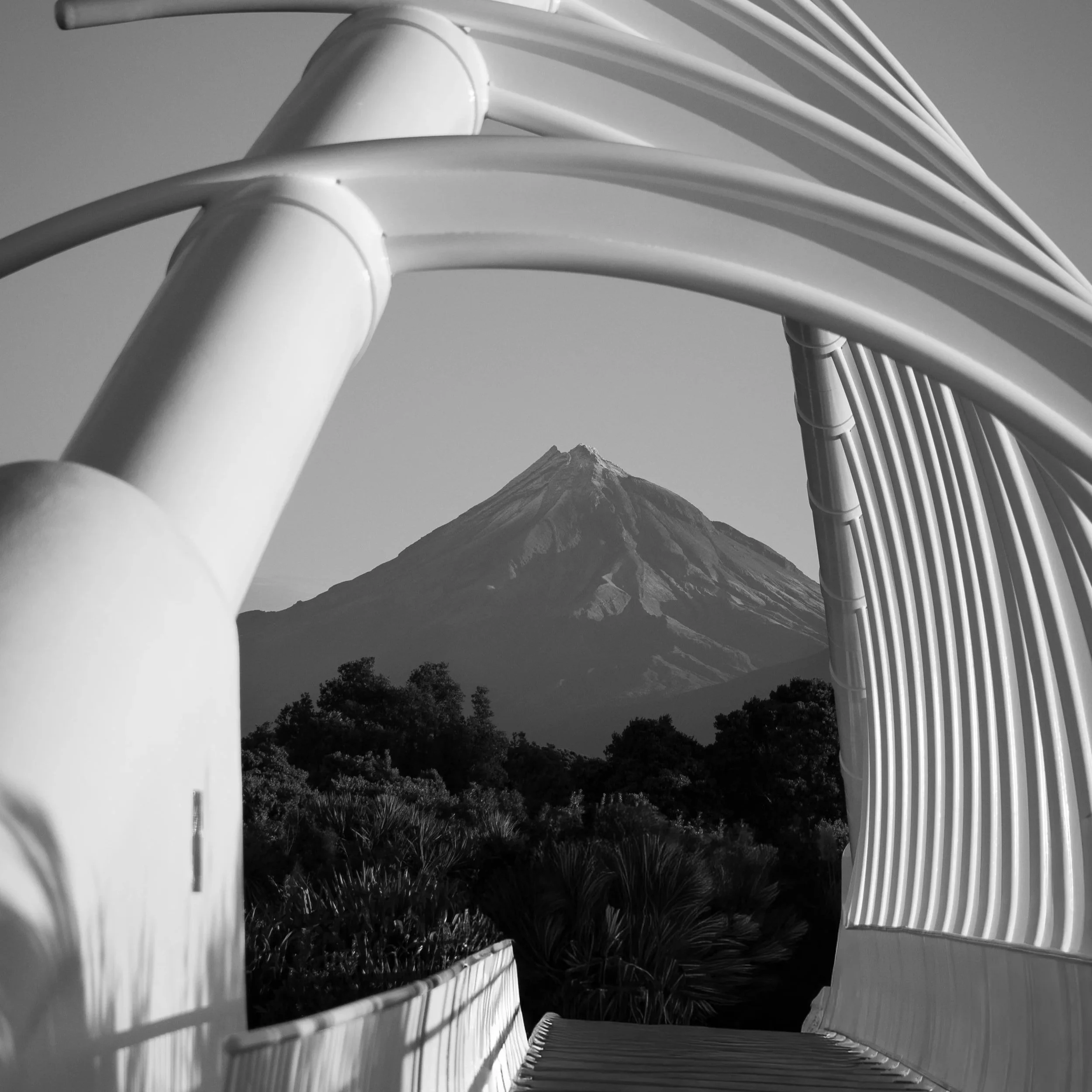
One of the best examples of this is Te Rewa Rewa Bridge. What could have been purely functional infrastructure became something far more memorable through thoughtful design and a bold vision. Today, the bridge is recognised well beyond Taranaki, attracting visitors who come to experience the iconic view of the bridge framing Mt Taranaki. It's a reminder that when infrastructure is paired with great experience design, it can become a destination in its own right.
The impact extends beyond the bridge itself. Cafés, events, and community activity have emerged around it, creating additional reasons for people to visit and spend time in the area. It demonstrates how investing in experiences, not just infrastructure, can create lasting value for both locals and visitors.
The potential connected to our walkway is enormous and it’s interesting to look beyond what it is today, and explore what it could unlock next.
Any vision for the walkway couldn’t just be about infrastructure, it has to encompass user experience by creating more connected public spaces that encourage people to spend time in town and interact with the city and it’s neighbourhoods differently.
Famously, big cities like New York and London have suburbs and neighbourhoods that celebrate their unique characteristics, and where people visit these areas for unique experiences. Now, while New Plymouth is not New York, our suburbs are rich in character and full or personality. The coastal walkway is a natural bridge to a diverse set of local experiences.
____
Looking ahead, what are some natural extensions to the walkway that could deepen connectivity, generate business and provide a unique and memorable Taranaki experience?
1. Creating small activity hubs and experiences
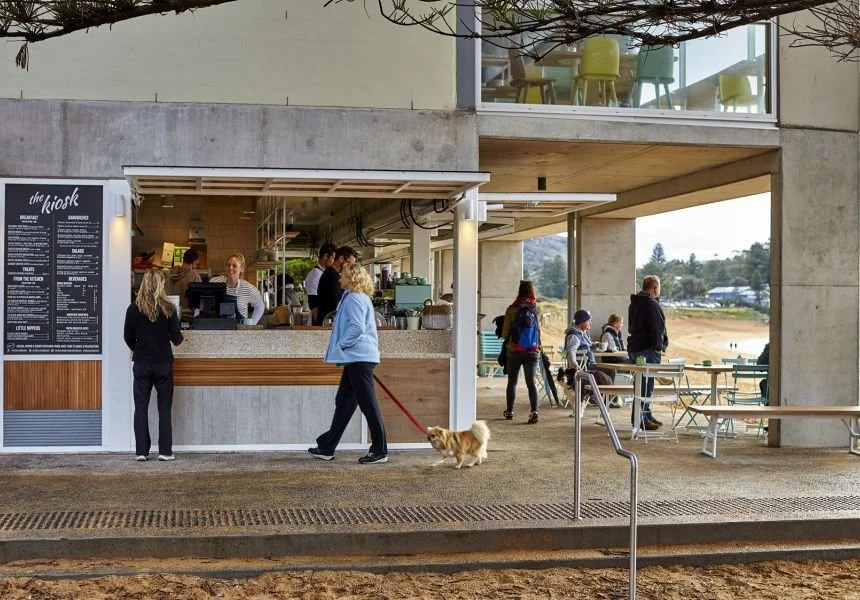
Coffee kiosks
Seasonal food vendors
Public seating
Bike services and transport nodes.
Small art and retail activations
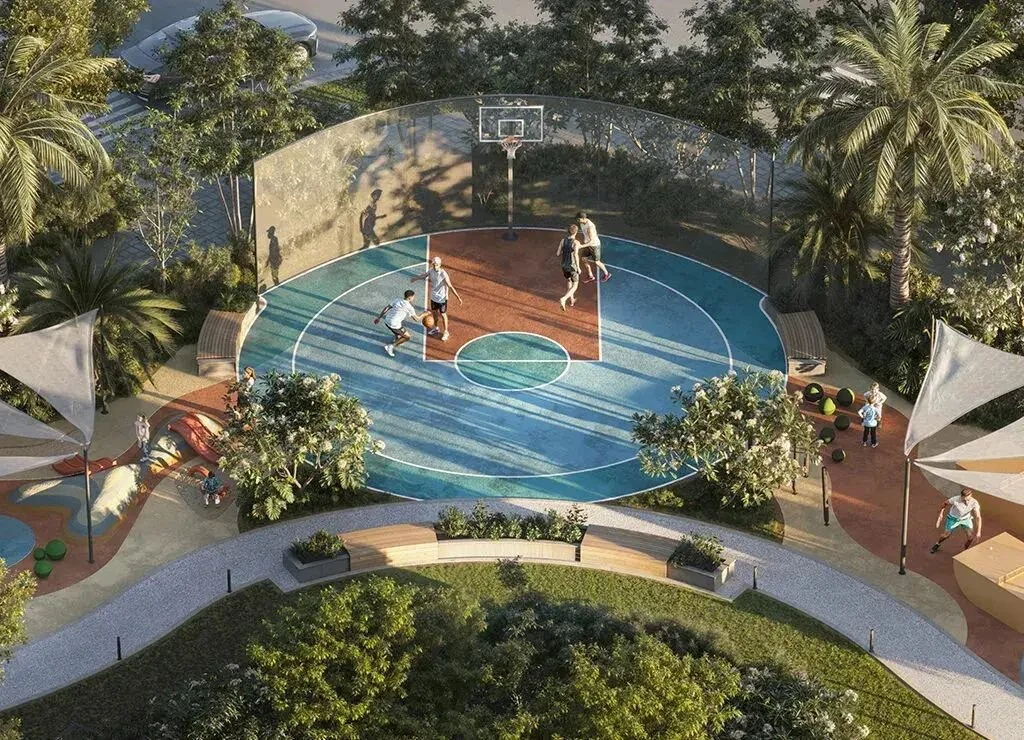
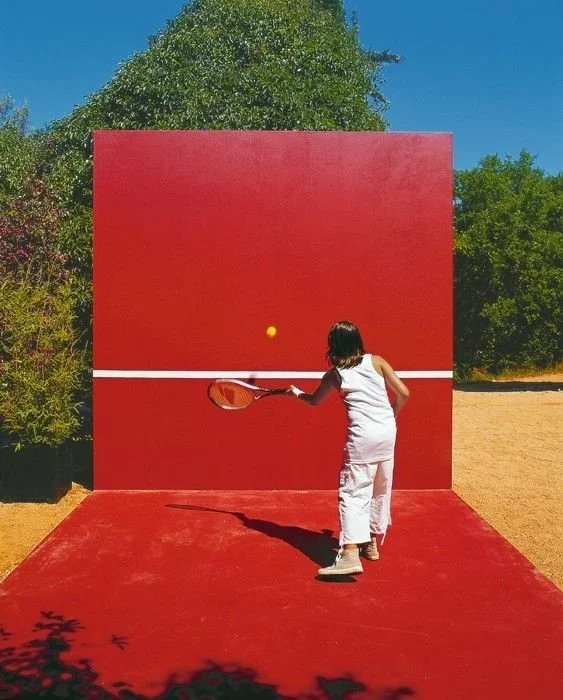
Sports zones.
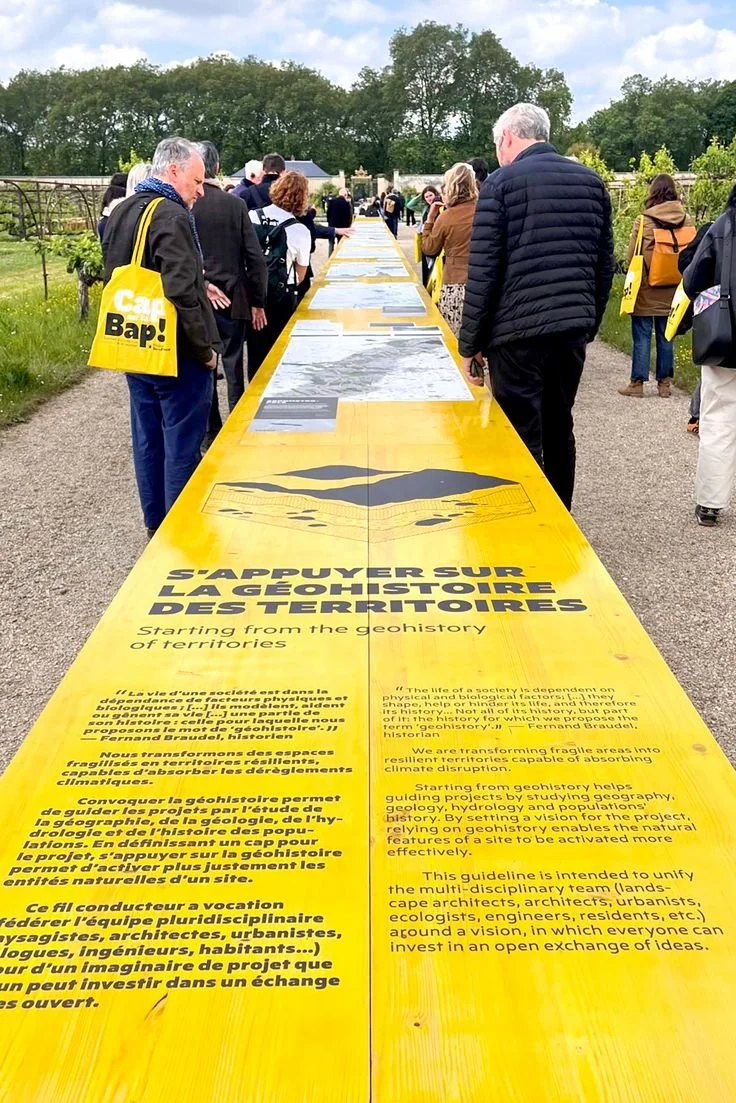
A trail and hub that presents Taranaki’s stories
Iwi history
Coastal culture
Industry
Migration
Local ecology
Significant people and events
A place to engage with the community on plans and proposals
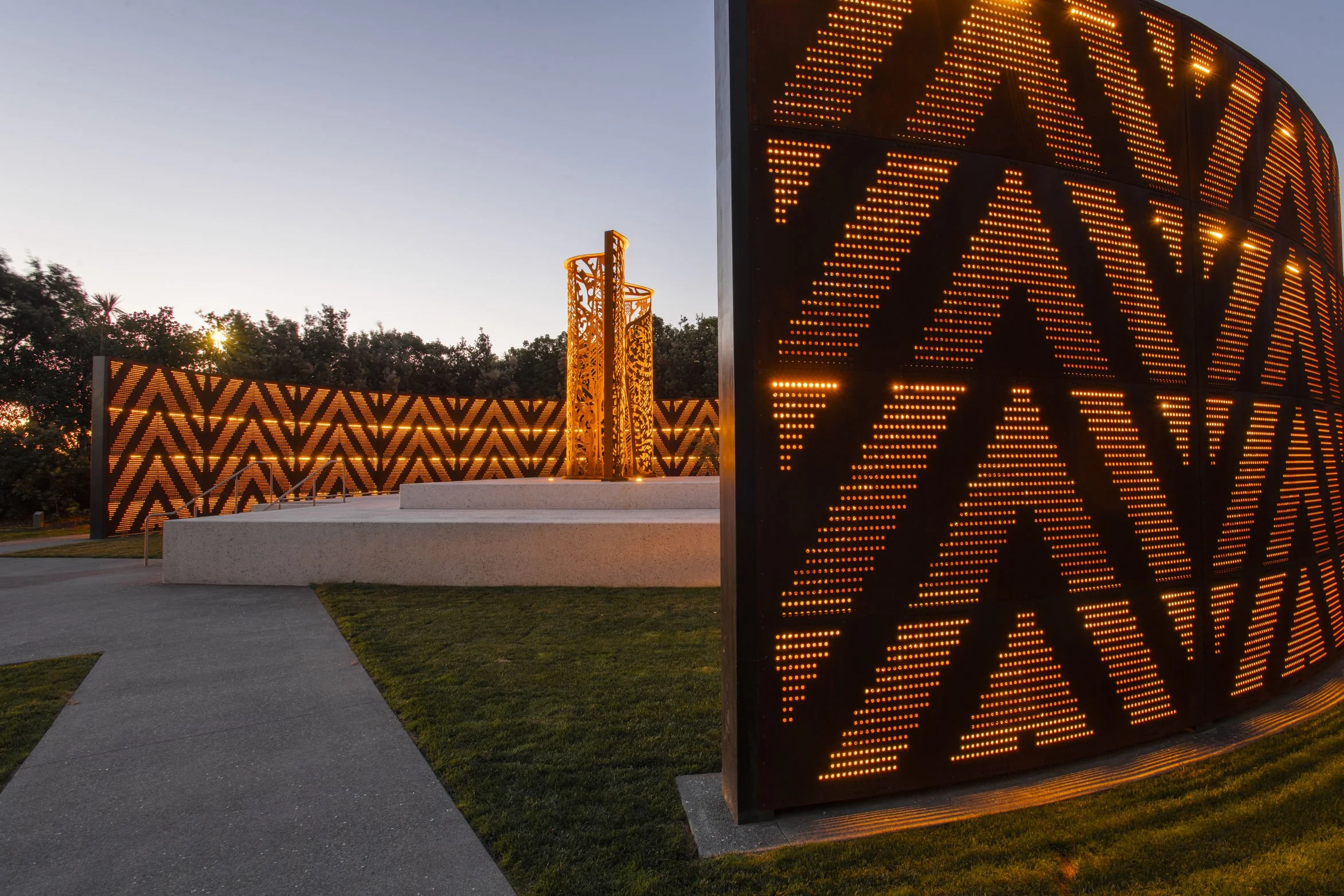
Puhi Kai Iti by Boffa Miskell
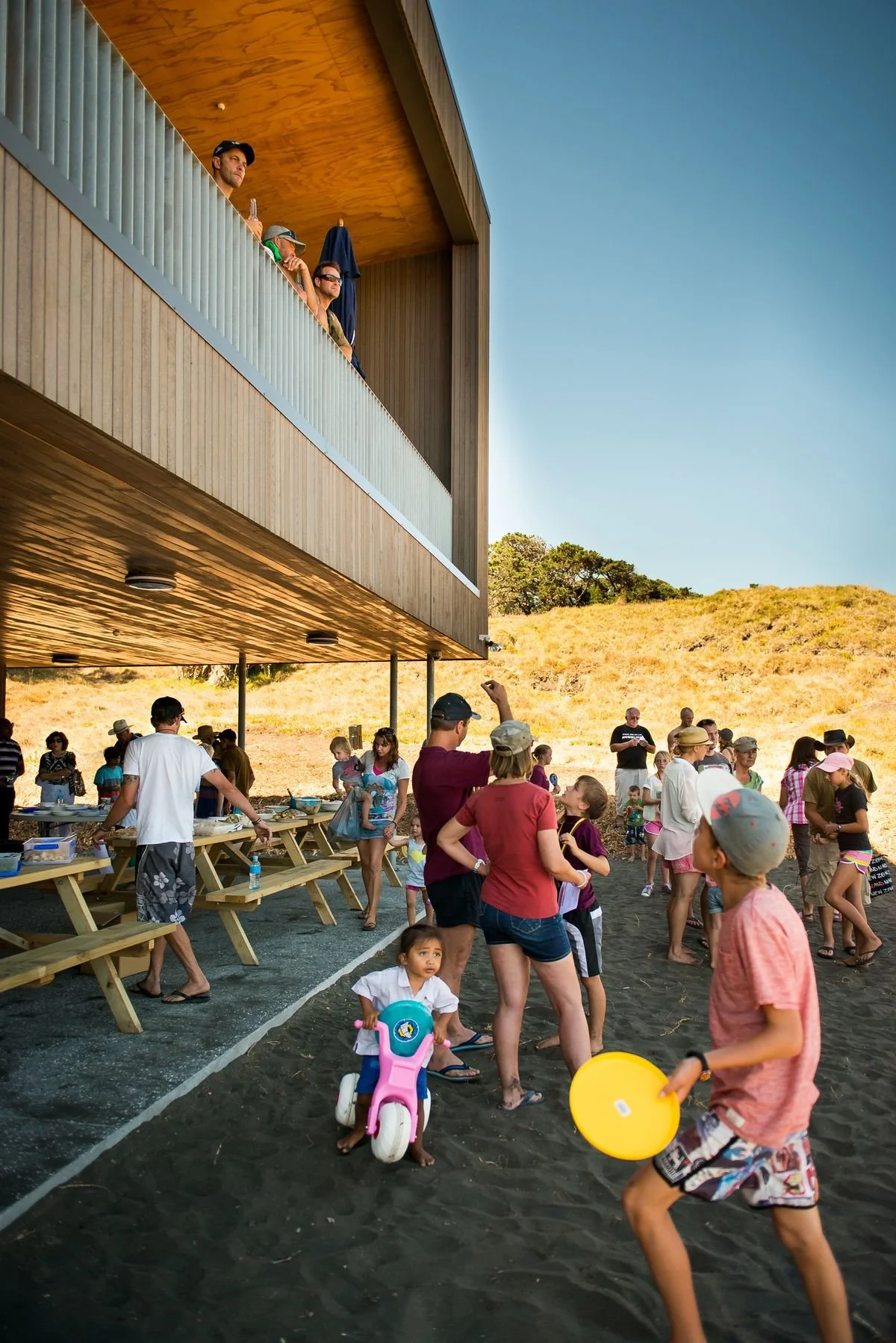
Destination Hospitality: Building places people seek out
Meet before a ride
Stop for lunch
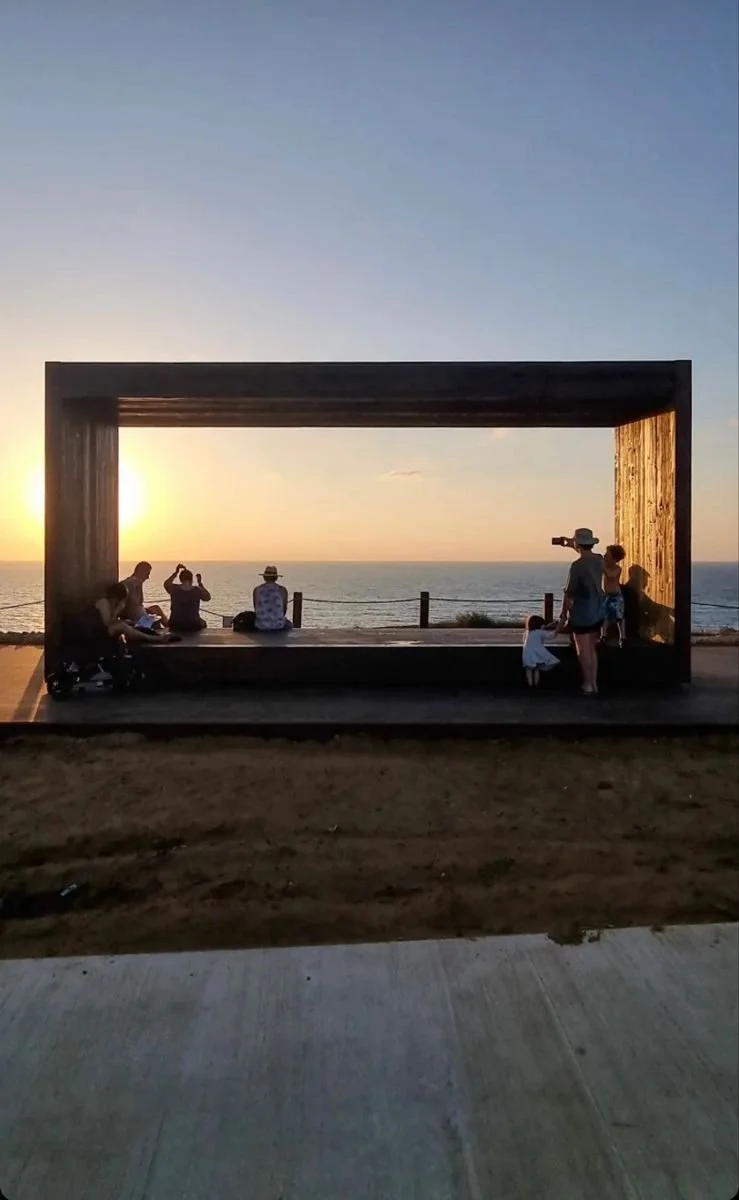
Watch the coast
Gather after events
Stay the night
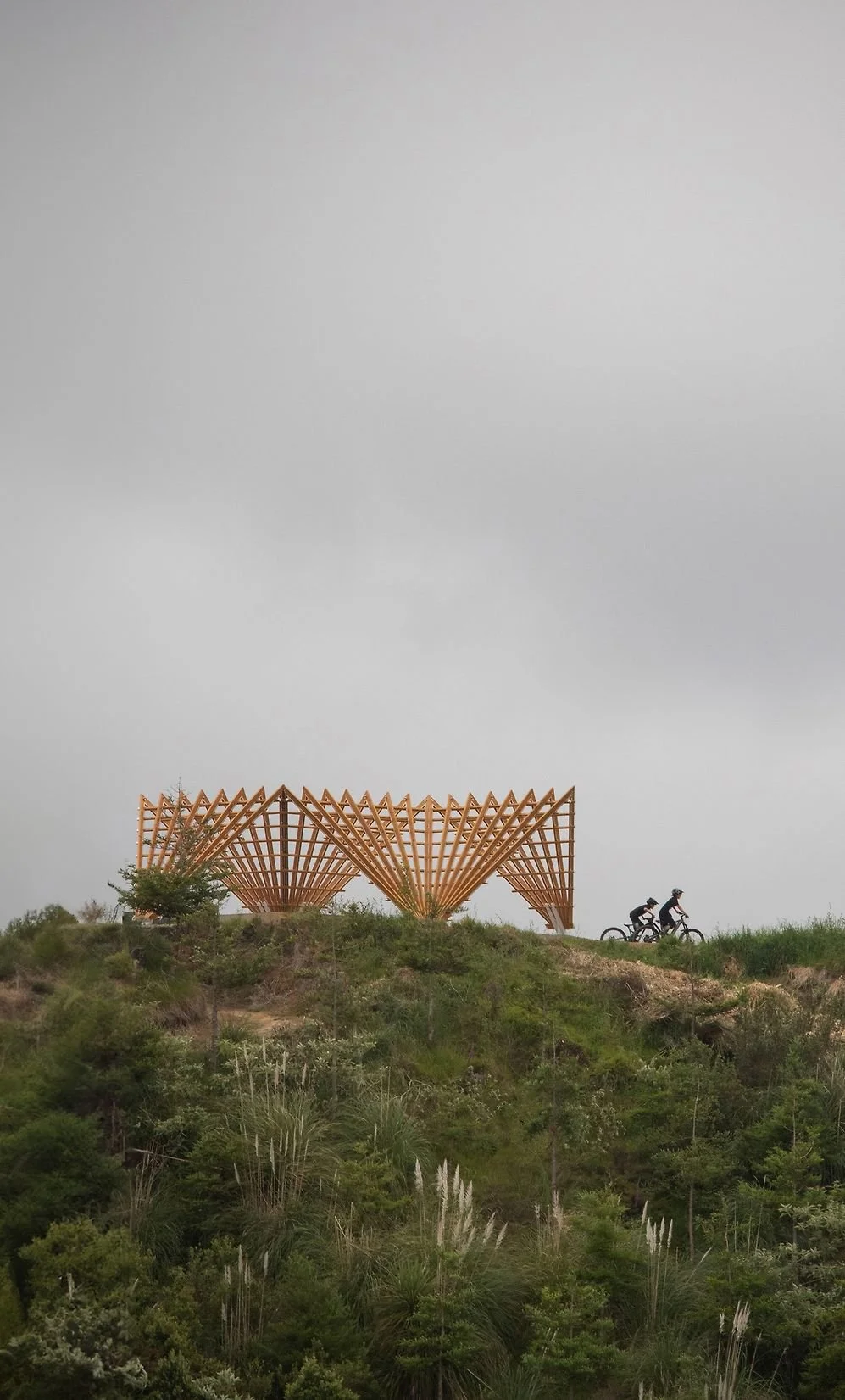
Timber Manogomy by Gregory Mann and Andrew Barrie Lab
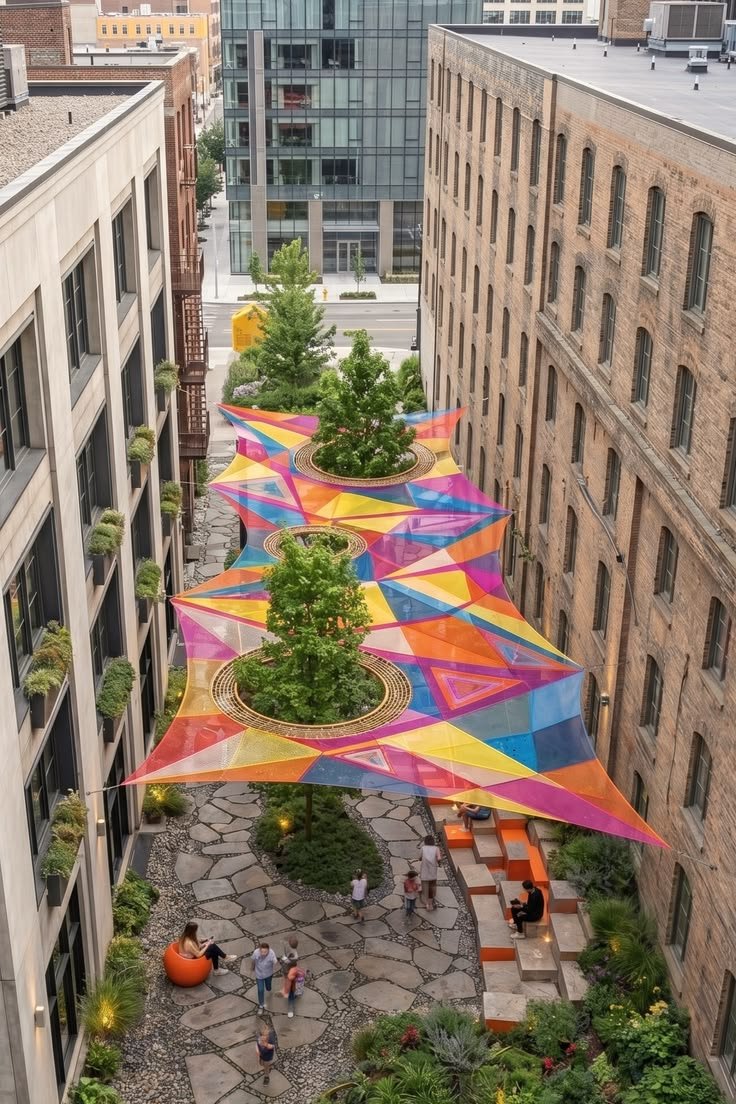
The more you consider what’s possible, the more the walkway feels less like infrastructure and more like a platform.
Whether it's a public space, visitor attraction, hospitality precinct, or community project, place branding can help answer some of the most important questions: What makes this place unique? What should people feel when they're here? And how do we create an experience that people remember and talk about? When those questions are considered early, places often become more than destinations, they become part of a region's identity.